Before the capsule, the apothecary
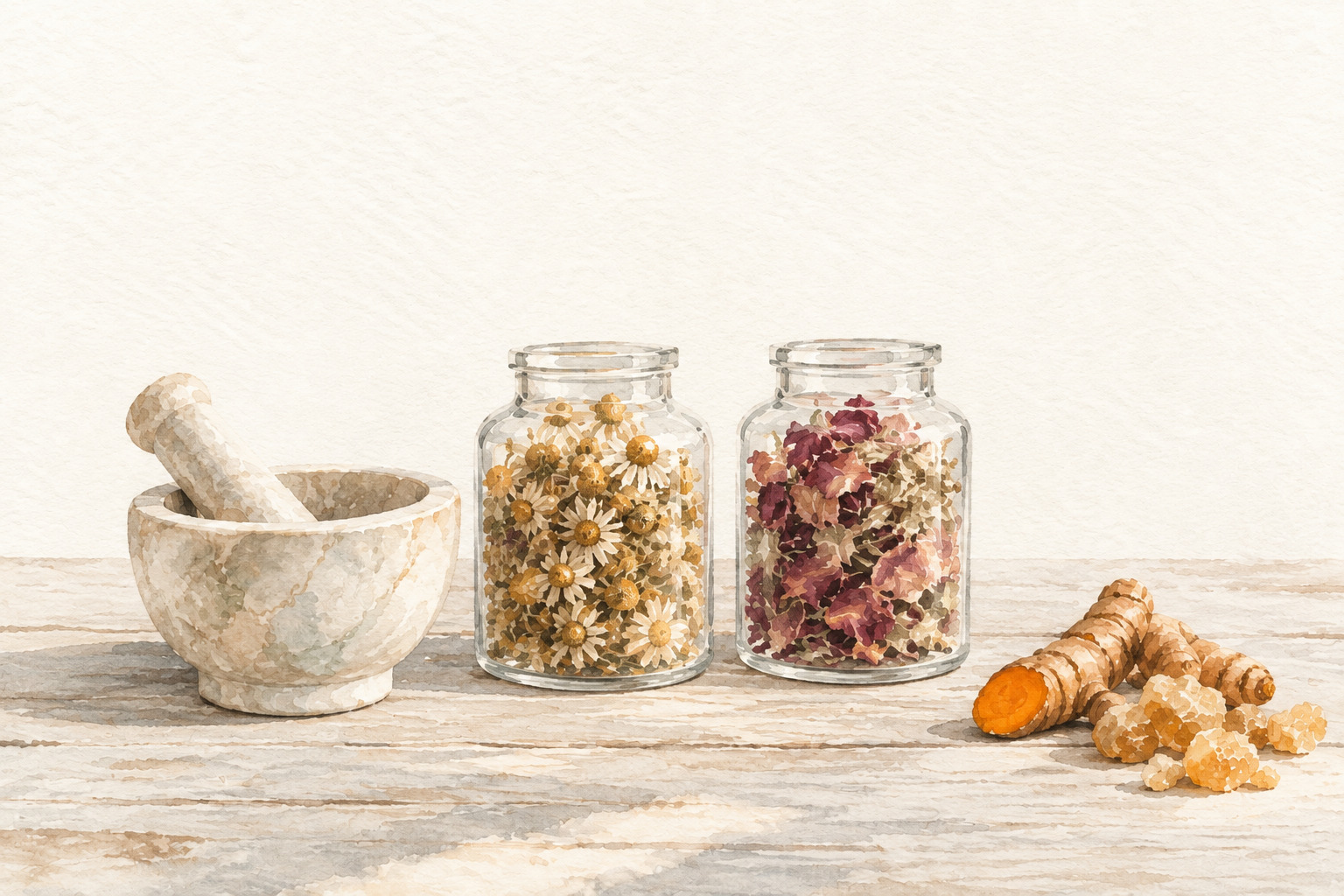
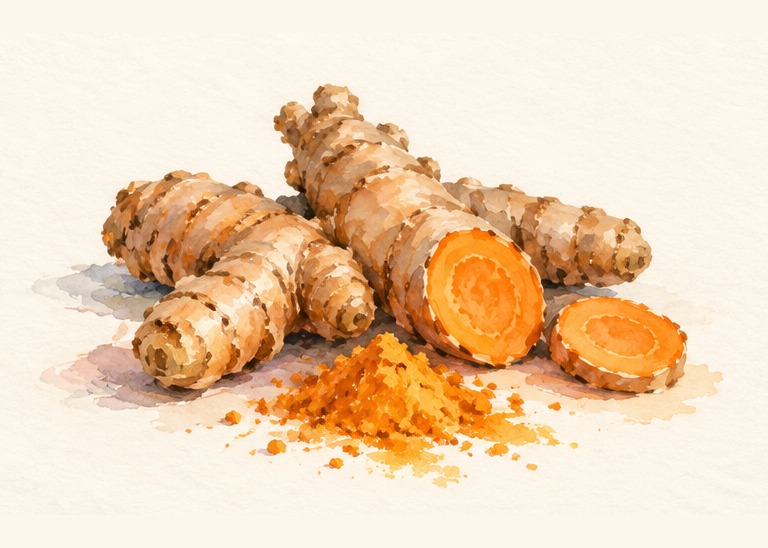
People were using these plants long before anyone had named the diseases we now test them against. Turmeric has been part of Ayurvedic medicine in India for thousands of years, where the root was used for wounds, digestion and the skin; curcumin, the compound in Section A, is what modern chemistry later isolated from it. Berberine-bearing plants (barberry, goldenseal, Chinese goldthread) were written into the Ayurvedic and Chinese pharmacopoeias, separately, for diarrhea and dysentery two thousand years before anyone isolated the alkaloid. Wormwood gave its name to vermouth and to the medieval European bitters that opened the appetite before a meal; its bitter principle, absinthin, is still the reference bitter for the tongue. These are distinct traditions, and this page does not merge them.
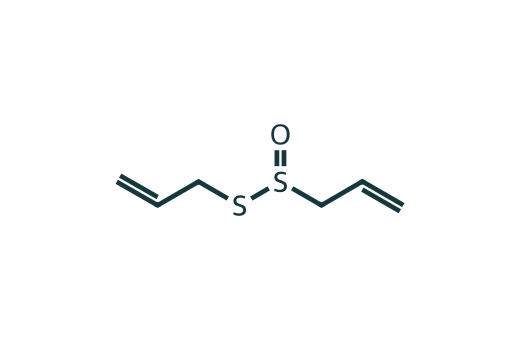
Oregano and thyme oils were the disinfectants of the ancient Mediterranean, and carvacrol and thymol are why: both punch holes in bacterial membranes, which is exactly the property that makes them useful and dangerous in a gut that is trying to keep its good residents. Garlic sat in the Egyptian Ebers papyrus; allicin, its active molecule, exists only for minutes after a clove is crushed.
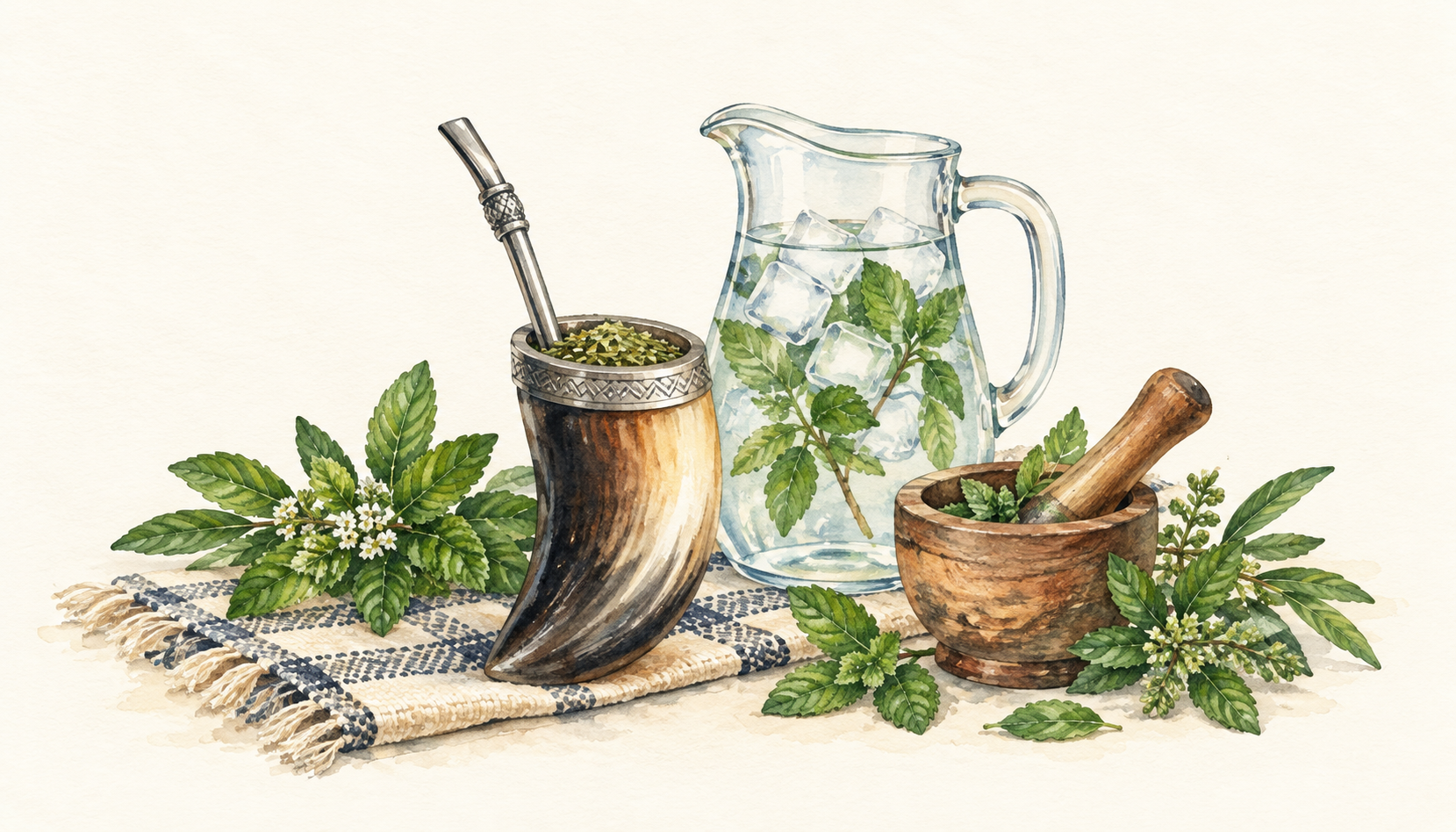 View full illustration ↗
What has changed in a century is standardization: the ability to say how much berberine or carvacrol is in the bottle, and to run the trial. Berberine (E-01) now has a randomized trial in ulcerative colitis, and wormwood (E-04) has two in Crohn's, both steroid-sparing designs. The apothecary is becoming a pharmacy. Read the Section E cautions with that history in mind: these are the strongest herbs in the guide, and they were never gentle.
READ & SHOP
Explore related supplements
Microbiome Modulating
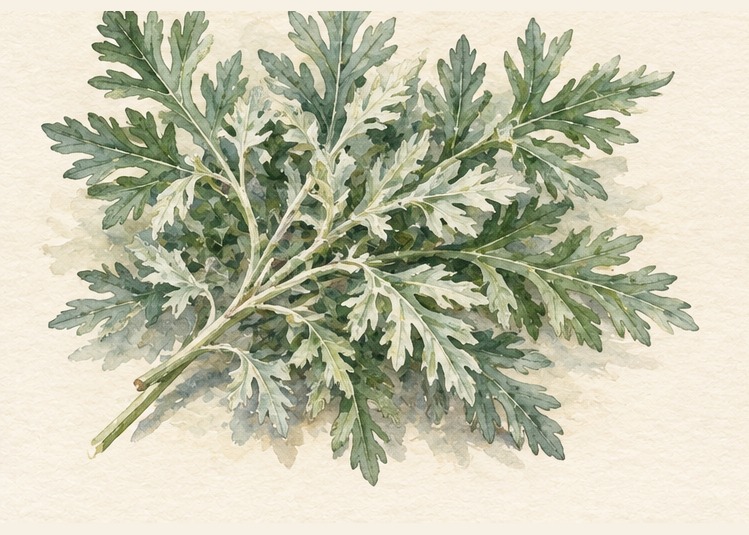
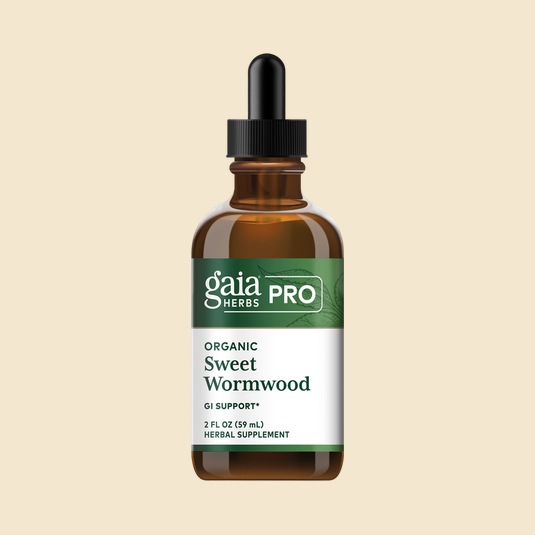
Wormwood (Artemisia)
In a 10-week double-blind trial (n = 40), Crohn's patients tapering steroids stayed in remission on a wormwood blend (65%) while most placebo patients relapsed; a…
The Five
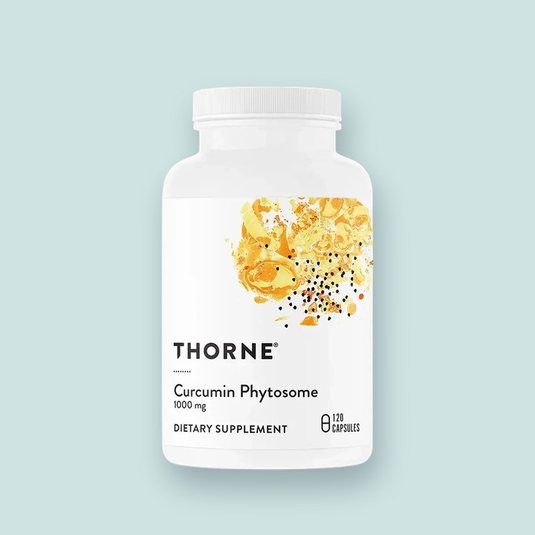
Curcumin
Curcumin is the yellow pigment of turmeric root and the most-studied plant compound in inflammatory bowel disease. It has randomized trials in ulcerative colitis, a…
Microbiome Modulating
Garlic / allicin
Allicin is a broad antimicrobial in the lab; no IBD trials. Cook with it instead.
Options to explore with your care team. These are not a recommendation to take them together. Andrew earns a commission on Fullscript purchases. US shipping only.