Cold brew, light roast, and a cup of L-theanine
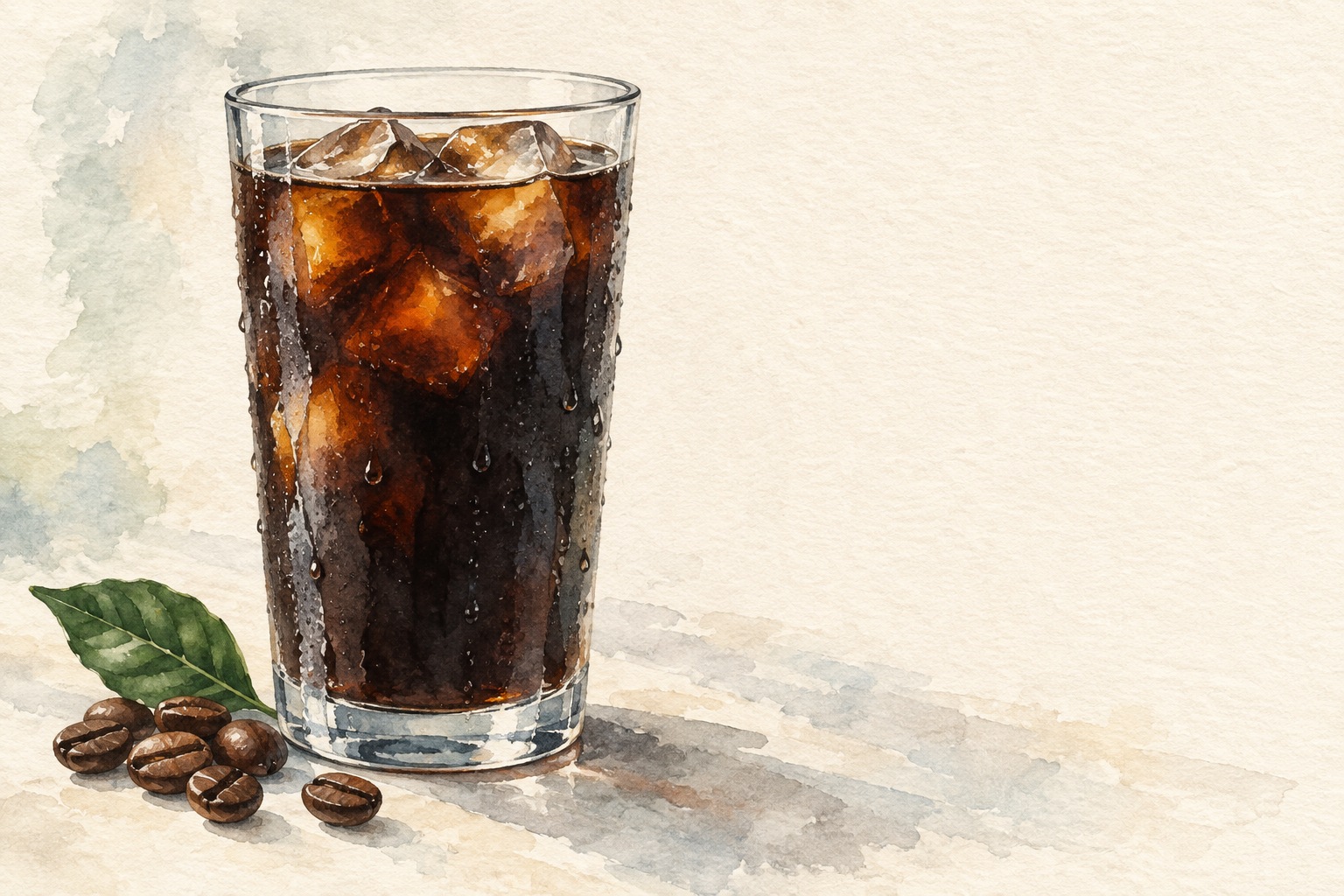
I do not think coffee is as bad for IBD as it is made out to be. Coffee is one of the largest sources of polyphenols in the Western diet, chlorogenic acids above all, and in large cohorts coffee drinkers have less liver disease and, in several studies, lower rates of ulcerative colitis. The problems people have with it are usually three: acidity, the bowel-stimulating effect of a hot cup on an empty stomach, and caffeine's edge.
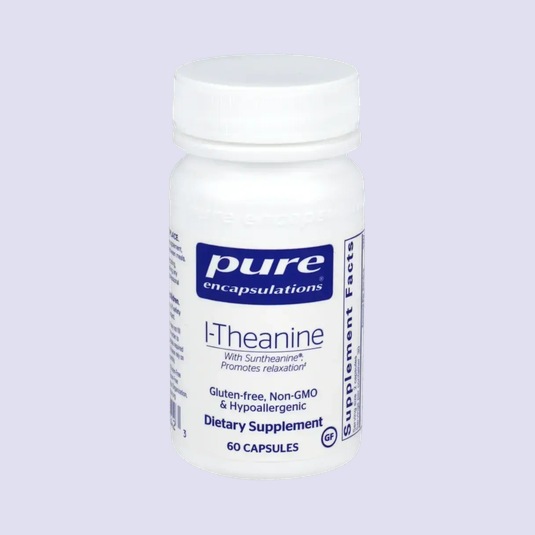
Each has an answer. Cold brew is markedly less acidic than hot-brewed coffee because the bitter acids extract slowly in cold water. Light roast keeps more of the chlorogenic acids that dark roasting burns away. And L-theanine (M-03), the amino acid that makes green tea calm, takes the jittery, blood-pressure-raising edge off caffeine while keeping the focus; the pairing has randomized trials behind it in healthy adults.
The caveats are real. Caffeine is a colonic stimulant, which is a feature in constipation and a fault in a flare. Milk is its own question. And coffee stacks with the sleep problem in this section: nothing after early afternoon if your sleep is fragile.
READ & SHOP
Explore related supplements
Anti-Inflammatories
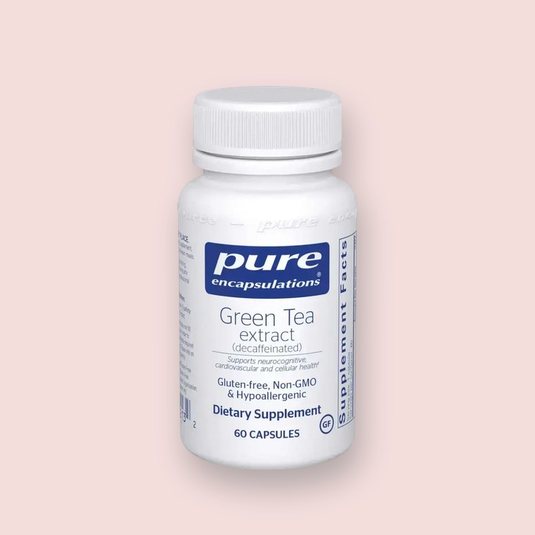
Green tea / EGCG
EGCG, the principal catechin. In a small double-blind pilot (n = 19), 400 to 800 mg/day of purified EGCG for 56 days produced a 67% response rate versus 0% on…

Sleep, Stress & Attention
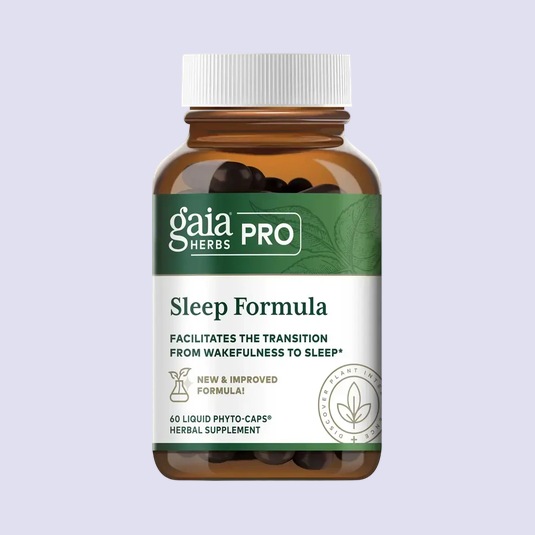
Herbal sleep formula
An all-herbal formula built around passionflower, valerian, California poppy, skullcap and hops, with vervain, gotu kola and a trace of lavender, extracted into…

Sleep, Stress & Attention
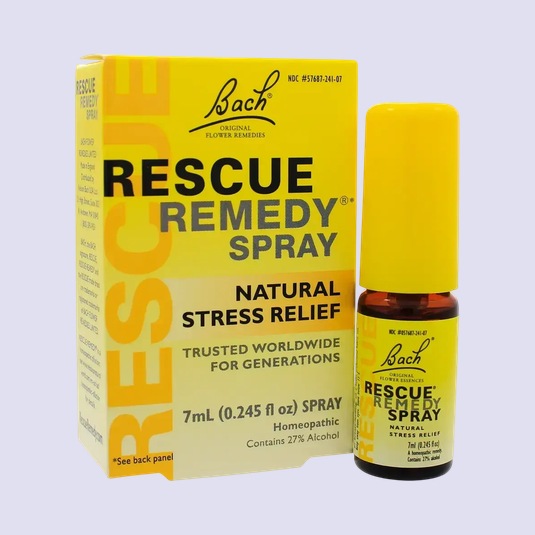
Bach flower remedy (Rescue Remedy)
Five flower essences (rock rose, clematis, impatiens, cherry plum, star of Bethlehem) in a grape-alcohol base, the formula Dr Edward Bach developed in England in…
Options to explore with your care team. These are not a recommendation to take them together. Andrew earns a commission on Fullscript purchases. US shipping only.