How a repair peptide is thought to work
Peptides have exploded. They are everywhere in the IBD community, and BPC-157 and KPV have been known for a long time. The evidence needs to catch up with the enthusiasm, and there is likely more risk with specific peptides than with anything else in this guide. Read this page before the two cards.
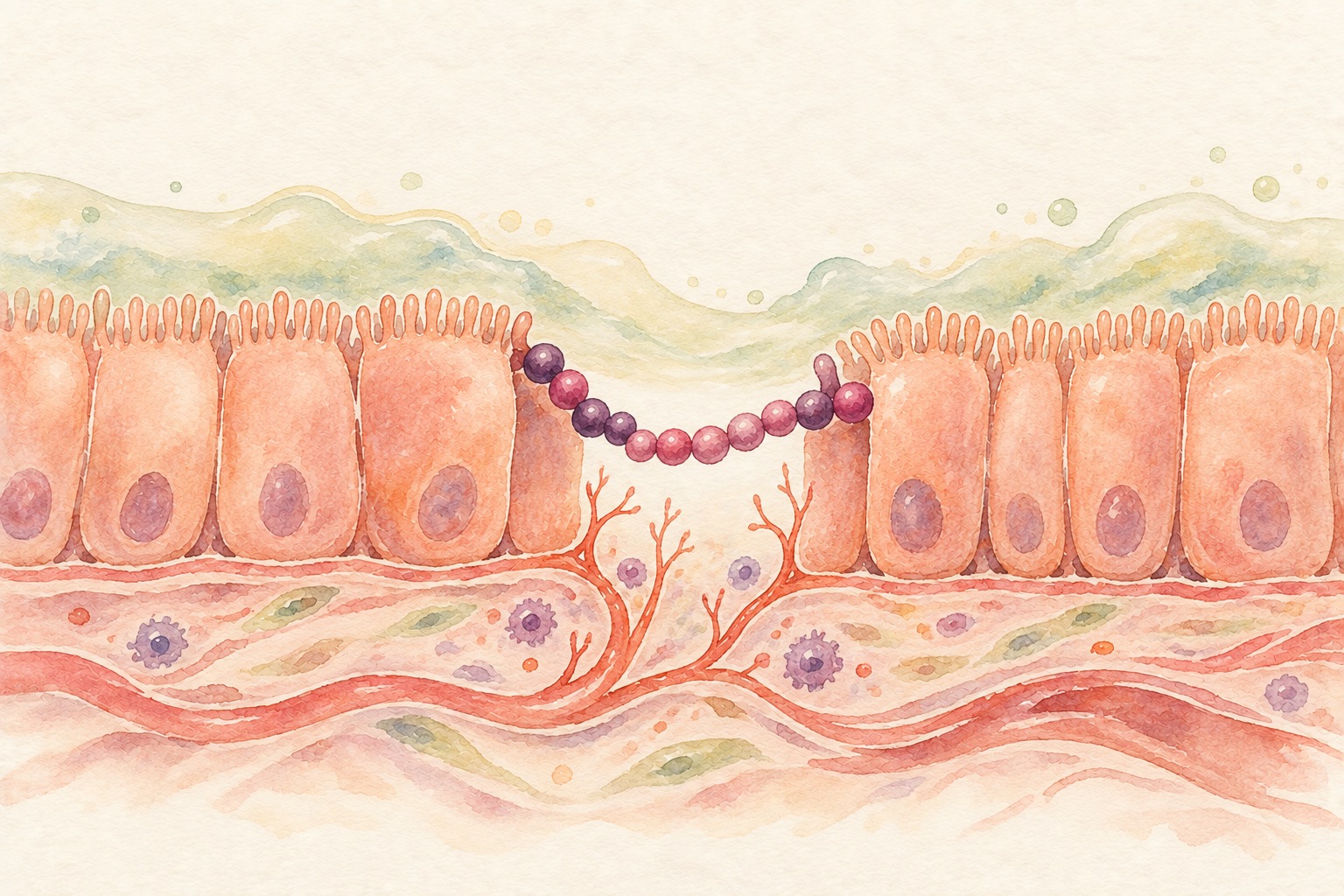 View full illustration ↗
Why the risk is different
A polyphenol from a food has a safety record measured in centuries of dinners. A synthetic peptide has one measured in years of enthusiasts. BPC-157 is on the World Anti-Doping Agency's prohibited list and, at the time of writing, is not an approved drug in any country I am aware of; US regulators have moved against compounded versions; the quality of what arrives in a vial or a capsule varies with the supplier and cannot be checked at home. None of that makes the molecules bad. It makes them the part of this guide where I ask you to be most careful, most honest with your team, and most skeptical of a bottle that promises more than the literature does.
An ask for the scientific community
I have followed peptides for more than a decade, and I see both the hype and the potential; I am still exploring the evidence, and I am not settled. What would let me widen this section: a randomized trial in people, in either disease, on a validated endpoint. Published pharmacokinetics for the oral forms, so a milligram on a label means something. Third-party testing you can read. And a regulatory status that is not moving under our feet. I prefer to discuss oral forms here because that is what people actually buy, which is not a statement that they are safe. Until then, two entries, one product, two structures on the following page, and a clear statement of what is known and what is hoped.
The stearate contradiction, in print
The only other BPC-157 source I have found on Fullscript contains vegetable stearate, which Section K treats as a tiebreaker against a product. I have not resolved that tension; it stays visible here rather than hidden.
READ & SHOP
Explore related supplements
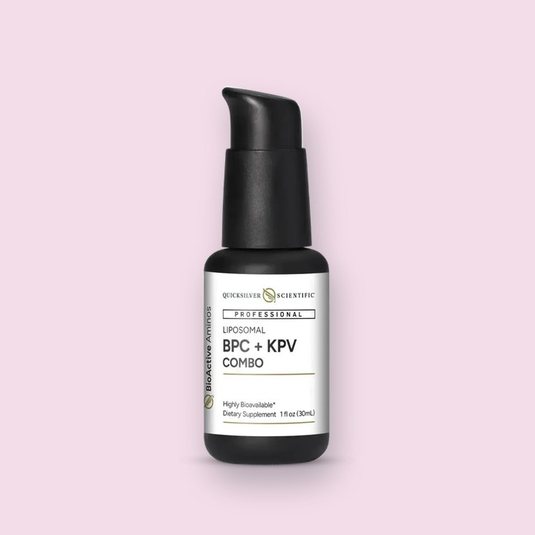
Peptides
KPV
KPV is the three-amino-acid anti-inflammatory tail of alpha-MSH. It is taken up directly by inflamed intestinal epithelium through the PepT1 transporter, and in…
Peptides
BPC-157
BPC-157 is a fifteen-amino-acid fragment of a protein found in gastric juice, with an enormous animal literature on mucosal, tendon and vascular repair, nearly all…
The Five
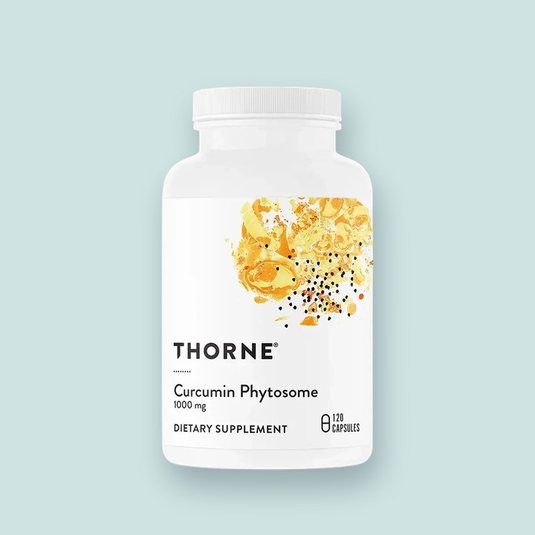
Curcumin
Curcumin is the yellow pigment of turmeric root and the most-studied plant compound in inflammatory bowel disease. It has randomized trials in ulcerative colitis, a…
Options to explore with your care team. These are not a recommendation to take them together. Andrew earns a commission on Fullscript purchases. US shipping only.