Two peptides, two mechanisms
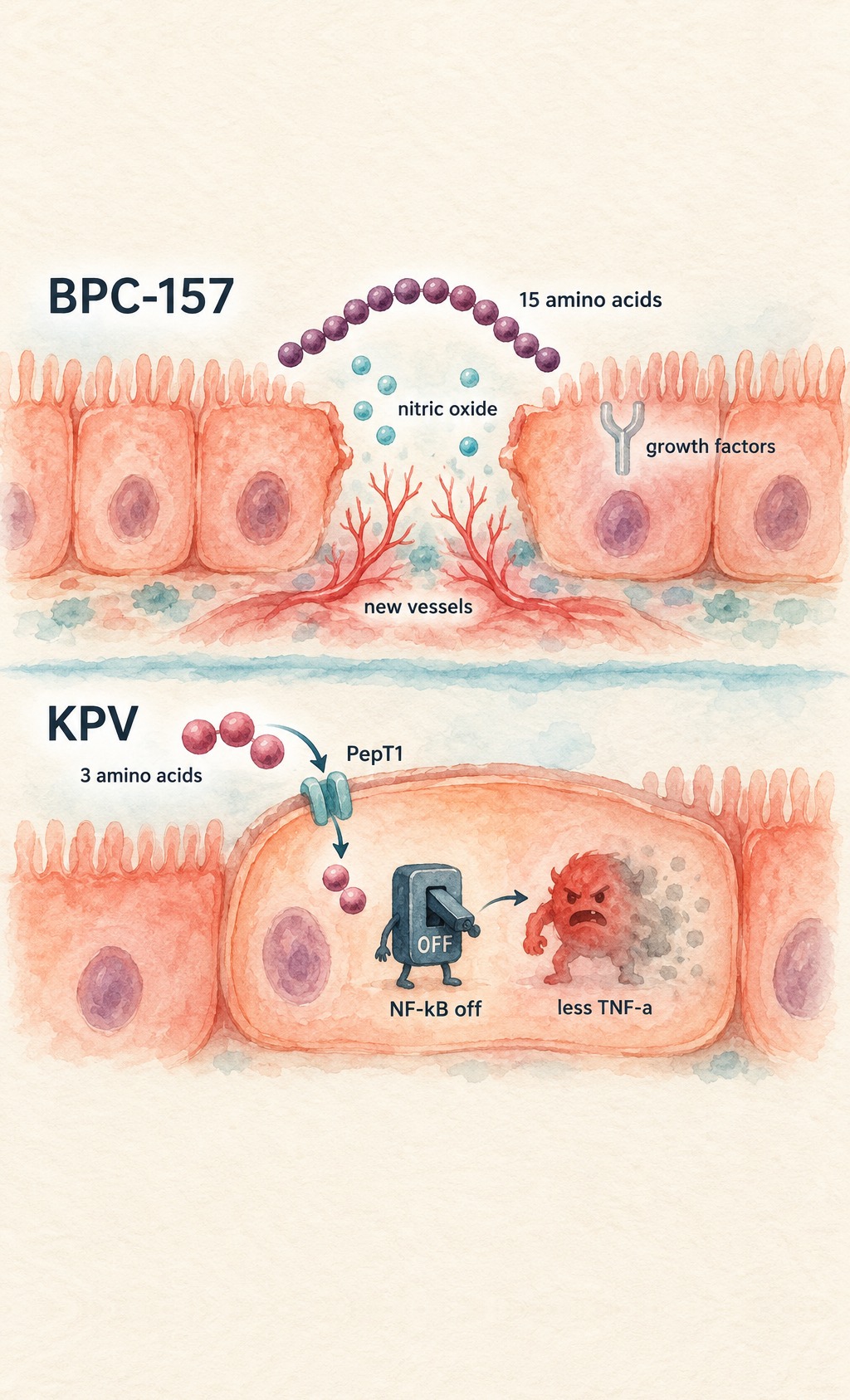
BPC-157 is a chain of fifteen amino acids. In animal studies it raises nitric oxide, recruits growth-factor signaling and drives new blood vessels toward a wound, which is how a torn lining closes faster in rats. KPV is three amino acids, the anti-inflammatory tail of the hormone alpha-MSH. Inflamed gut-lining cells take it up through PepT1, a doorway in the cell membrane that normally carries tiny protein fragments from digested food into the cell, and which inflamed colon cells make far more of; once inside, in cell and colitis-model studies, KPV switches off NF-κB and lowers TNF-α. Both pictures come from animal and cell studies. Neither peptide has a randomized human trial in IBD, published pharmacokinetics for the oral forms, or a settled regulatory status. Read the cards before the vial.
READ & SHOP
Explore related supplements
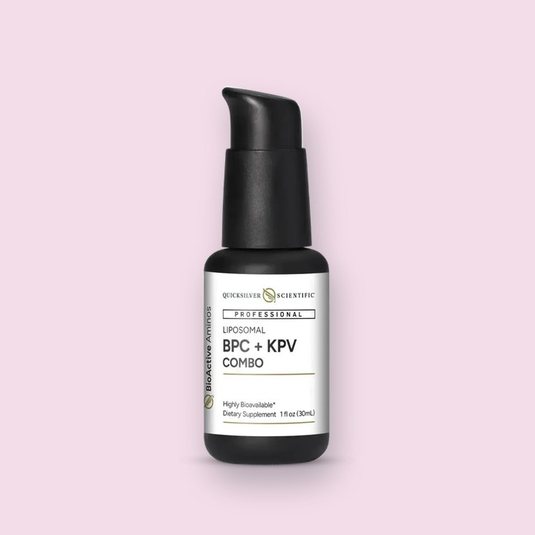
Peptides
KPV
KPV is the three-amino-acid anti-inflammatory tail of alpha-MSH. It is taken up directly by inflamed intestinal epithelium through the PepT1 transporter, and in…
Peptides
BPC-157
BPC-157 is a fifteen-amino-acid fragment of a protein found in gastric juice, with an enormous animal literature on mucosal, tendon and vascular repair, nearly all…
The Five
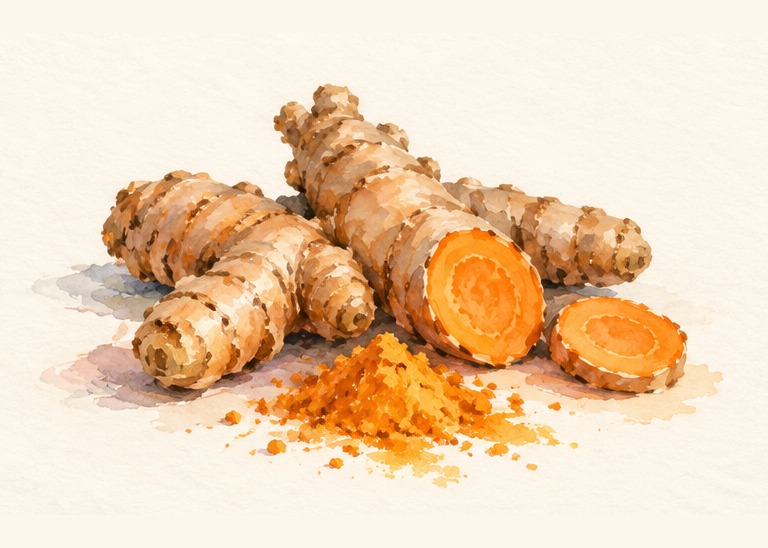
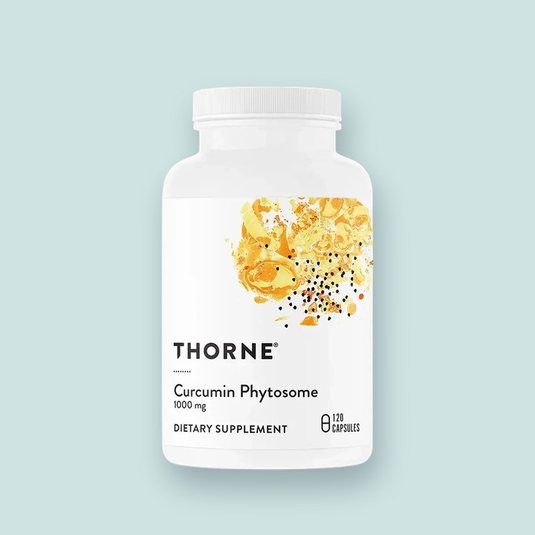
Curcumin
Curcumin is the yellow pigment of turmeric root and the most-studied plant compound in inflammatory bowel disease. It has randomized trials in ulcerative colitis, a…
Options to explore with your care team. These are not a recommendation to take them together. Andrew earns a commission on Fullscript purchases. US shipping only.