What else is in the capsule
Additives, binders and flow agents, the half of the label most guides ignore, and the reason two products with the same active ingredient are not the same product.
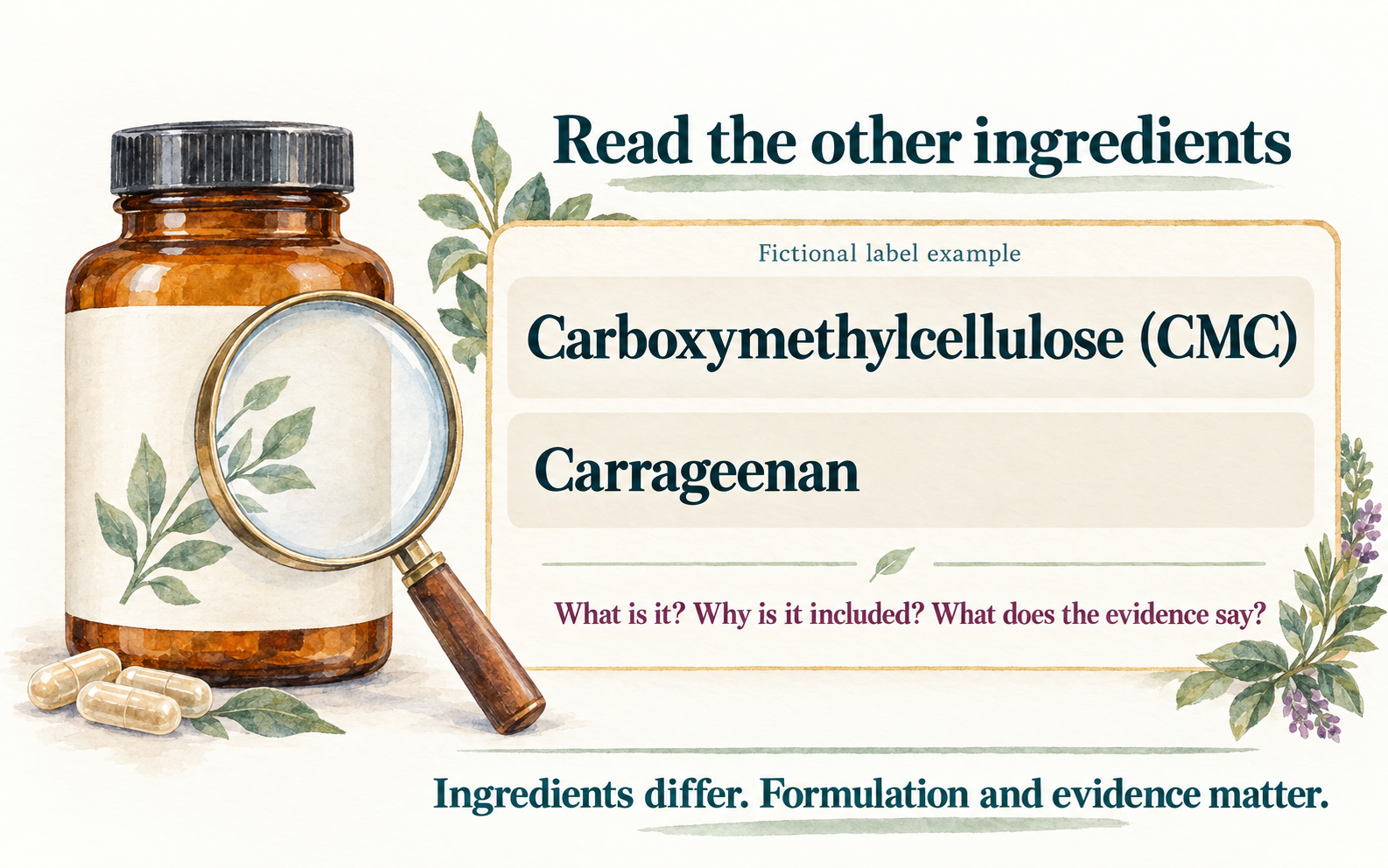
Five to avoid
Additives with published evidence of harm to the gut barrier or microbiome in experimental models, and, in a few cases, in small human studies. The evidence is not all of one kind: the emulsifiers CMC and polysorbate 80 have the deepest record, from mouse colitis through a controlled feeding trial in people; carrageenan has animal data and one tiny UC relapse study; maltodextrin and titanium dioxide rest on laboratory and animal work. None of this proves that a capsule with a few milligrams harms a particular person. IBD is simply the condition in which I would rather not run that experiment on myself, and a product without them is usually available.
Scroll sideways to see every column →
| Additive | Why it's on the list |
|---|---|
| Carboxymethylcellulose (CMC) | Emulsifier. Thinned the mucus layer, altered the microbiome and promoted colitis in mouse models; a controlled human feeding study found microbiome and metabolite changes. |
| Carrageenan | Seaweed-derived thickener. Used experimentally to induce colitis in animals; a small pilot in UC patients in remission found earlier relapse with continued exposure. |
| Maltodextrin | Filler and sweetener. Promotes adherent-invasive E. coli biofilm and impairs mucus in models; common in powders. |
| Titanium dioxide | Whitening pigment in tablets and capsules. Nanoparticles accumulate in gut immune cells and worsen experimental colitis; banned as a food additive in the EU. |
| Polysorbate 80 | Emulsifier. Increased bacterial translocation across the epithelium in models; the same colitis-promoting pattern as CMC. |
Sources: the Chassaing emulsifier series (mouse colitis 2015, human microbiota ex vivo 2017, a randomized controlled-feeding study in people 2022), the M-cell translocation work on polysorbate-80, and the titanium dioxide, maltodextrin and carrageenan studies listed in the references (refs 162–172). Note that carboxymethylcellulose is not the plain cellulose or hydroxypropyl methylcellulose of most vegetable capsules, which are not on this list.
The magnesium stearate note
Magnesium stearate is probably the most common additive in supplements, a flow agent that keeps powder from sticking to machinery. Unlike the five above, there is little to no evidence that it causes harm, and like everything else, its specific effect in IBD is unknown. My view: probably safe if it's in one or two of your products; less certain when it's in all fifteen and you are taking a meaningful quantity every day. So I treat it as a tiebreaker. When two products are otherwise equivalent, I pick the one without it.
One ingredient, three labels
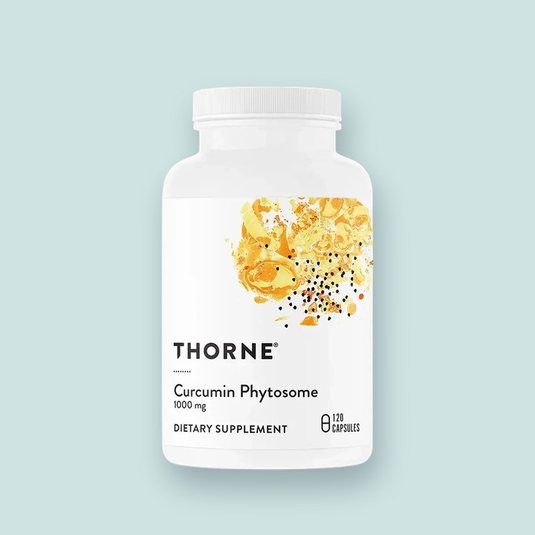
Theracurmin, the engineered curcumin used in the Crohn's RCT, is a branded ingredient licensed to three manufacturers. Integrative Therapeutics' version contains no magnesium stearate; Natural Factors' and Bioclinic Naturals' versions both do. Same active ingredient, same trial behind it, three different additive profiles. That is why every product card in this guide prints the excipients, including the flow agents in the Thorne phytosome chosen for A-01, and why "just buy any curcumin" is bad advice.
Excipients that aren't the enemy
Not every inactive ingredient is a problem. Cellulose capsules, microcrystalline cellulose, rice flour, ascorbyl palmitate, and the delivery-system components of engineered forms, gum ghatti in Theracurmin, phospholipids in a phytosome, the SNAC enhancer in an oral peptide, are doing a job; in the engineered forms they are why the product works. The question is not "is there anything besides the active ingredient?" but "is each thing here for a reason I understand?" Sometimes the answer is a trade: Theracurmin HP carries maltodextrin, on the list above, inside the form that ran the only Crohn's trial. I print that rather than hide it.
READ & SHOP
Explore related supplements
The Five
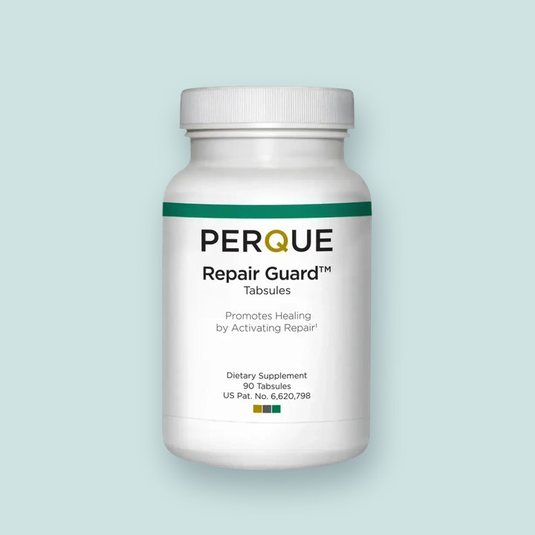
Curcumin
Curcumin is the yellow pigment of turmeric root and the most-studied plant compound in inflammatory bowel disease. It has randomized trials in ulcerative colitis, a…
The Five
Quercetin
Quercetin is the workhorse flavonoid of the plant kingdom and one of the most-studied antioxidants in existence, in cells and in animals. In people with IBD, it has…
The Five
Omega-3 EPA/DHA
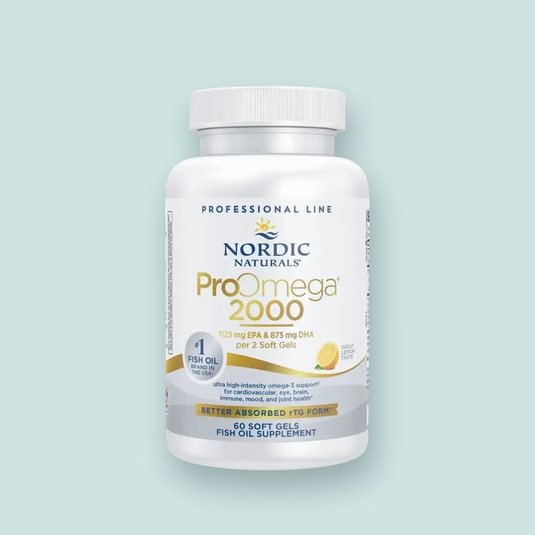
The two long-chain omega-3 fatty acids from cold-water fish are the most-consumed anti-inflammatory supplement in the world and one of the most-trialed in IBD, and…
Options to explore with your care team. These are not a recommendation to take them together. Andrew earns a commission on Fullscript purchases. US shipping only.