Serum-derived bovine immunoglobulins
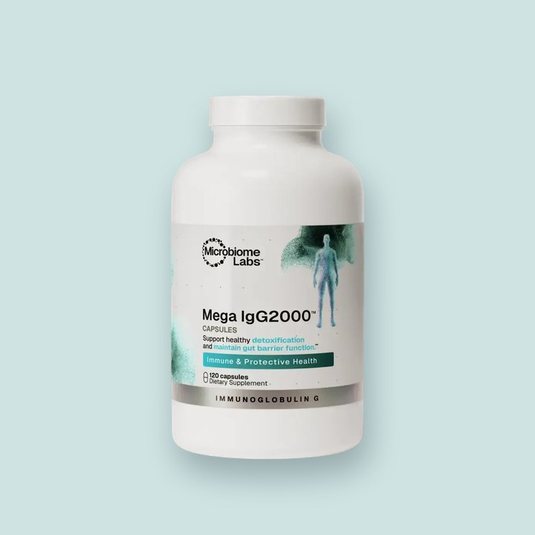
MegaIgG2000, capsules and powder
- Form
- Serum-derived bovine immunoglobulin concentrate; capsules (microcrystalline cellulose, cellulose capsule) or powder (no additives)
- Additives
- Capsules: cellulose only. Powder: none. Powder link: go.supplementsforibd.com/bovine-immunoglobulin-powder
- Why this one
- Dairy-free SBI as a supplement rather than a prescription; the powder makes the 5–10 g/day used in studies practical. Beef-allergy contraindication.
- SKU
- MIC630-18010475496 (caps) · MIC630-18015294856 (powder)
What it is
A concentrated preparation of antibodies (mostly immunoglobulin G) purified from the blood plasma of cattle, not from milk or colostrum, which is why it is dairy-free. It has been used for decades in animal nutrition and since the 2010s in people, first as a prescription medical food for chronic loose stools and then as a supplement. The IBD evidence is real but thin: a case series and case reports rather than randomized trials, alongside randomized trials in conditions that share IBD's leaky-barrier biology.
How it works
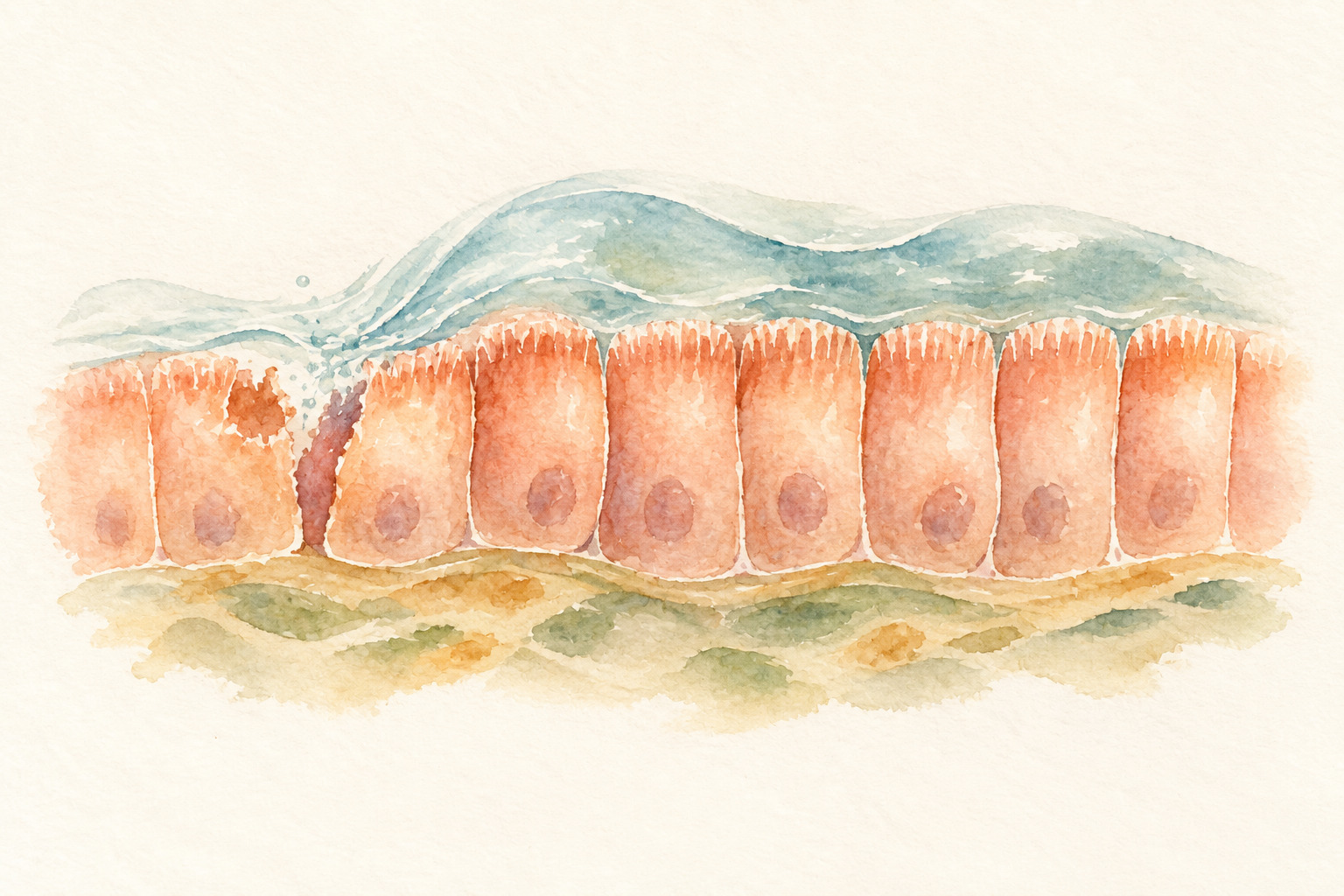
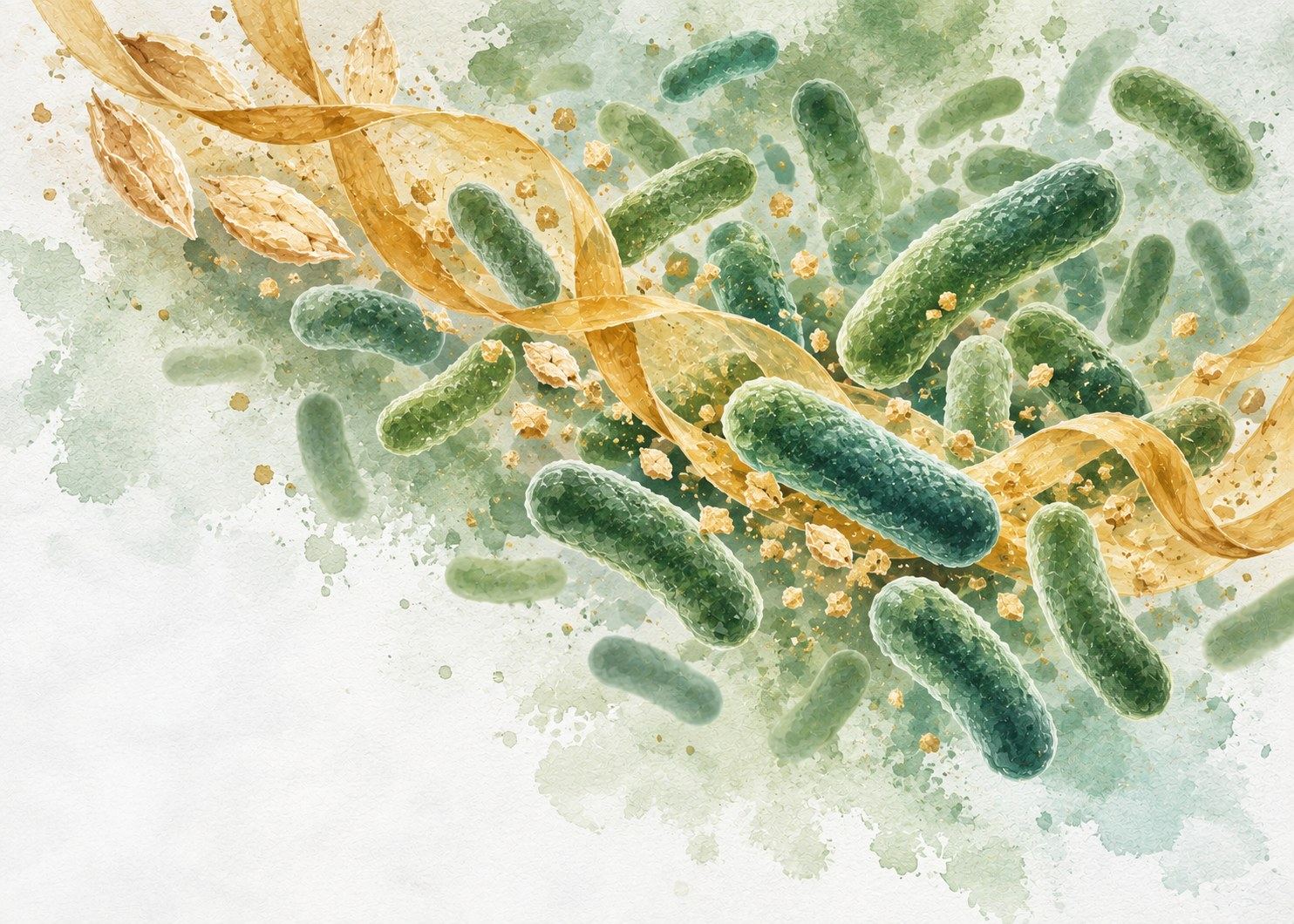
SBI is not absorbed. It works in the lumen, where the antibodies bind bacterial components and toxins (lipopolysaccharide, flagellin and others) and hold them away from the gut wall. The immunologist's term is immune exclusion: less microbial material reaches the epithelium and the immune cells beneath it, so there is less to react to. In an intestinal co-culture model, SBI bound pro-inflammatory bacterial compounds and prevented immune activation. In a randomized trial in HIV-associated gut damage, it lowered circulating markers of barrier injury (intestinal fatty-acid binding protein, zonulin) and of systemic inflammation (IL-6). In mice that spontaneously develop colitis, it had immunomodulatory effects on the colon. And in a recent study it shifted the gut microbiome toward a healthier profile, a prebiotic-like effect nobody expected from an antibody.
- Category
- Biologic protein (immunoglobulin concentrate)
- Phenotype
- Crohn's (most case-series patients) and UC; adjacent trials in IBS-D and HIV enteropathy
- Other IBD
- Indeterminate colitis: read both. Microscopic colitis: no trials, but binding luminal antigen and firming stool fits a watery-diarrhea disease better than most entries; the IBS-D data are the closest analogue.
- Whole-food source
- None practical. Colostrum (F-07) is the nearest food analogue but is a milk product with a different antibody profile
- Cross-references
- F-07 bovine colostrum · D-14 lactoferrin
The evidence
Thirty-eight Crohn's and seven UC patients with limited or no symptom response to conventional therapy (including biologics) were given SBI 5 g/day as nutritional support alongside their regimens. At 12 weeks they were 2.8 times more likely to report clinical improvement in symptom scores (95% CI 1.27–6.02). Uncontrolled and retrospective, the largest IBD dataset that exists for SBI.
A second clinical series in patients with refractory IBD reporting improvement with SBI added to standard therapy.
Adults on suppressive antiretroviral therapy with chronic diarrhea received placebo or SBI 2.5 g or 5 g twice daily for 4 weeks, then open-label SBI to 24 weeks. SBI significantly lowered I-FABP and zonulin (barrier damage markers) and IL-6, and raised CD4 counts in the lowest quartile. Not IBD, but the best controlled human data on SBI's barrier mechanism.
Six weeks of SBI at 10 g/day or 5 g/day versus placebo. The 10 g group had fewer days with abdominal pain, loose stools, bloating, flatulence and urgency; the 5 g group improved on flatulence, incomplete evacuation and any-symptom days. A pilot, analyzed within groups.
Clinical and histologic remission in a child with ulcerative colitis after SBI was added to the standard regimen. A single case, included because histologic remission is a hard endpoint and rare in the SBI literature.
Dose as studied
Scroll sideways to see every column →
| Study | Population | Dose | Duration |
|---|---|---|---|
| Shafran 2015 | Refractory IBD | 5 g/day | 12 weeks |
| HIV enteropathy RCT | Chronic diarrhea on ART | 2.5 g or 5 g twice daily | 4 weeks blinded, 24 total |
| Wilson 2013 | IBS-D | 5 g/day and 10 g/day | 6 weeks |
Reported as used in the studies named. Not a recommendation.
What to expect
The Shafran series measured at 12 weeks; the IBS-D and HIV trials at 4–8. Stool consistency and frequency are what move first in every dataset. Well tolerated, SBI is a food protein, and the main complaints in trials were mild bloating early on.
Form, timing and bioavailability
Bioavailability is the wrong frame here: SBI is supposed to stay in the gut. What matters is grams. The studies used 5–10 g/day, and capsules add up fast at those amounts; the powder form (which mixes into water or food) is how most people reach study-range intakes affordably. Note that the capsule and powder labels state IgG content differently, verify against the current label before comparing. Taken with or between meals; some clinicians separate it from other protein-heavy meals so it isn't simply digested along with them, though this is practice, not evidence.
Who should be careful
Beef allergy, this is a bovine blood product. Also alpha-gal syndrome (tick-bite-acquired red-meat allergy). Dairy-free, so milk allergy and lactose intolerance are not an issue. Vegetarians and vegans will want to know what it is made from.
Interactions with IBD medications
None documented. Because SBI is not absorbed, pharmacokinetic interactions with mesalamine, thiopurines, methotrexate, steroids, calcineurin inhibitors, JAK inhibitors or biologics are not expected. In the Shafran series it was added on top of all of these.
Andrew's notes
This is the entry I value most for people whose disease runs with diarrhea, and it is the one in the Five that works in the lumen rather than in the tissue: the antibodies bind bacterial material and toxins before they reach the wall, which is the part of the loop that keeps the immune system provoked. I find it less relevant for people with severe constipation, where firming the stool is not the goal, though the binding rationale still applies. The same protein is sold in the US as EnteraGam, a prescription medical food for the dietary management of chronic diarrhea that must be used under medical supervision; that is a regulatory category, not proof that it treats IBD, and the supplement linked here is the form most people can actually get. (ref 207)